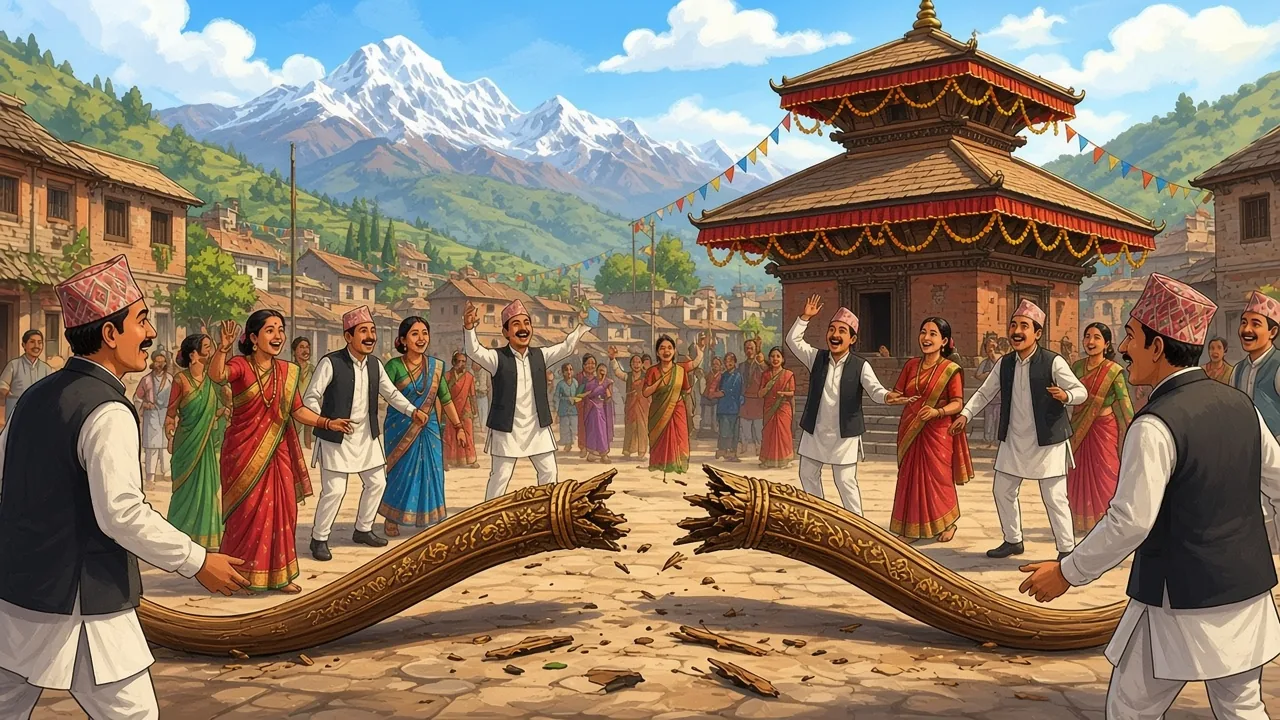
Rama and Sita are married under the canopy.राम र सीता मण्डपमुनि विवाह बस्छन्।
Dimension
Details
Epic & Cultural Significance
Calendar Tithi
Mangsir Shukla Panchami (मार्गशीर्ष शुक्ल पञ्चमी)
Auspicious lunar day commemorating the wedding of Rama and Sita.
Epic Event
Sita Svayaṃvara & the Breaking of Pināka
Rama lifting Shiva's bow establishing the supremacy of divine righteousness.
Epicenter of Rites
Jānaki Mandir & Rangabhoomi, Janakpurdham
Monumental marble palace temple hosting the seven-day royal wedding reenactment.
The Wedding Party
Barāt procession from Ayodhyā to Mithila
Living pilgrimage embodying the historic Roṭī-Beṭī civilizational relationship.
Maithil Wedding Rites
Matkor, Tilak, Jaimālā, Phere
Authentic preservation of classical Vedic and regional Mithila matrimonial liturgies.
The story
Celebrated on the fifth day of the waxing lunar fortnight of Mangsir (Mārgaśīrṣa Śukla Panchami) in the historic Maithil royal capital of Janakpurdham, Vivaha Panchami commemorates the sacred divine wedding of Lord Sri Rāmacandra of Ayodhyā and Goddess Sita (Jānakī), the daughter of the philosopher-king Janaka. According to the Vālmīki Rāmāyaṇa, King Janaka organized a great imperial assembly (Svayaṃvara) wherein mighty monarchs and warriors from across the cosmos failed even to lift the colossal divine bow of Lord Shiva (Pināka). When the youthful prince Rama, guided by Sage Vishvamitra, effortlessly lifted the bow and drew the string until the celestial weapon shattered with the thunderous roar of an earthquake, Sita stepped forward to garland him, establishing a cosmic archetype of righteous union and moral duty.
मंसिर महिनाको शुक्ल पक्षको पञ्चमी तिथिमा प्राचीन मिथिलाको राजधानी जनकपुरधाममा त्रेतायुगीन आदर्श वैवाहिक सम्बन्धको सम्झनामा विवाह पञ्चमी महोत्सव अत्यन्त भव्यताका साथ मनाइन्छ। यसै पावन दिनमा अयोध्याका राजकुमार मर्यादा पुरुषोत्तम भगवान् श्रीराम र मिथिलाका दार्शनिक राजा जनककी सुपुत्री जगज्जननी माता सीता (जानकी) बीच पावन विवाह सम्पन्न भएको थियो। रामायणको आख्यानअनुसार राजा जनकले आयोजना गरेको स्वयम्बरमा संसारभरिका बलिया राजाहरूले भगवान् शिवको महाधनुष 'पिनाक' हल्लाउन पनि सकेनन्। तर गुरु विश्वामित्रको आज्ञा पाएपछि श्रीरामले धनुषलाई सहजै उठाएर ताँदो चढाउँदा त्यो महाधनुष तीन टुक्रा भएर भाँचियो र सीताजीले श्रीरामको गलामा जयमाला पहिराइदिनुभयो।
Centered upon the breathtaking architectural splendor of the marble Janaki Mandir—constructed in 1910 CE by Queen Vrishabhanu Kunwari of Tikamgarh—the week-long festival faithfully reenacts the seven classical stages of a traditional Maithil royal wedding. Thousands of sadhus and pilgrims accompany the grand ceremonial wedding procession (Barāt) journeying from Ayodhya to Janakpur, where historic rites including Matkor (soil consecration), Dhanush Yajna, and the joyful garlanding (Jaimālā) at the Rangabhoomi esplanade are witnessed by hundreds of thousands of devotees. Concluding with the circumambulation of the sacred Vedic fire within the sanctum, the festival honors the timeless cross-border cultural kinship (Roṭī-Beṭī Sambandha) uniting the peoples of Nepal and India in an unbroken spiritual lineage.
जनकपुरको मुटुमा रहेको प्रसिद्ध जानकी मन्दिर (जसलाई टीकमगढकी महारानी वृषभानु कुँवरीले सन् १९१० मा निर्माण गराएकी थिइन्) मा साताव्यापी विवाह महोत्सव सम्पन्न हुन्छ। अयोध्याबाट आउने विशेष जन्ती (बरात) को भव्य स्वागत गर्दै मटकोर, तिलकोत्सव, धनुष यज्ञ, र ऐतिहासिक रङ्गभूमि मैदान (बाह्रबिघा) मा राम-सीताको स्वयम्बर र जयमाला गराइन्छ। वैदिक मन्त्रोच्चारणका साथ विवाह मण्डपमा अग्नि परिक्रमा गराई विवाह सम्पन्न गरिन्छ। यो पर्वले नेपाल र भारतबीचको प्राचीन 'रोटी-बेटी' को प्रगाढ सांस्कृतिक सम्बन्ध, मिथिलाको समृद्ध संस्कार, र पारिवारिक मर्यादालाई युगौँयुगदेखि जोड्दै आएको छ।
The new rice is shaped, and the full moon is up.नयाँ चामलको योमरी बन्छ, र पूर्णिमा उदाउँछ।
Dimension
Details
Agrarian & Gastronomic Significance
Calendar Tithi
Mangsir Shukla Purnima (मार्गशीर्ष शुक्ल पूर्णिमा)
Autumn full moon celebrating the conclusion of the main paddy harvest.
Presiding Deities
Goddess Annapūrṇā and Lord Kubera
Sanctification of newly stored grain safeguarding domestic wealth and food security.
Sacred Pastry
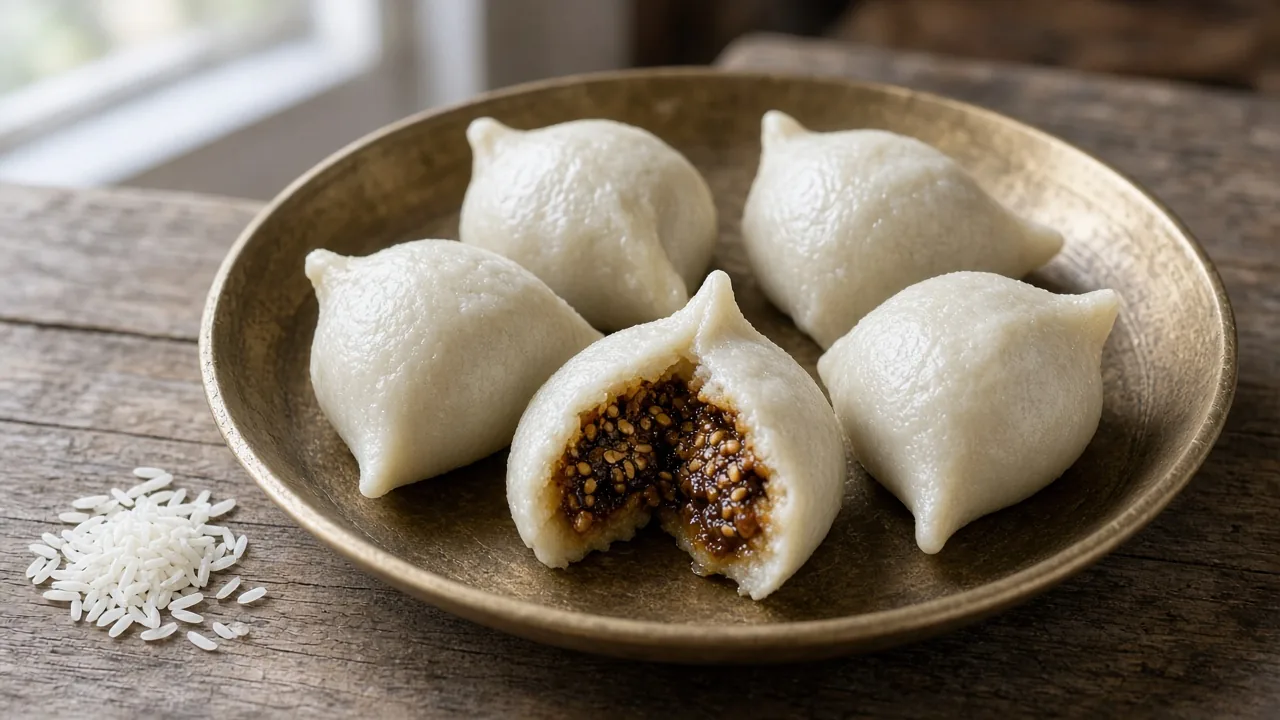
Yomari (योमरी) filled with Chāku and sesame
Teardrop-shaped steamed rice pastry embodying cosmological duality and fertility.
Harvest Offering
Nuwāgī (न्वागी चढाउने संस्कार)
Consecration of the very first rice grains before household consumption.
Folk Choral Custom
Children's Yomari Bwayegu door-to-door songs
Communal hospitality strengthening neighborhood cohesion through shared sweets.
The story
Occurring on the full moon of Mangsir (Mārgaśīrṣa Śukla Purnima), Yomari Punhi—celebrated synchronously as Dhānya Purnima across broader Nepal—marks the joyful culmination of the autumn rice harvest across the Kathmandu Valley. Dedicated to Annapūrṇā, the supreme goddess of agrarian nourishment, and Kubera, the divine treasurer of subterranean riches, this festival expresses deep domestic thanksgiving for the bounty of the fields. Before the golden sheaves of harvested paddy are sealed inside household granaries (bhakārī), the first fruits of the new crop are consecrated in the ancestral domestic rite known as Nuwāgī, transforming the grain into sacred sustenance.
मंसिर महिनाको शुक्ल पक्षको पूर्णिमा तिथिमा मनाइने योमरी पुन्ही (धान्य पूर्णिमा) नयाँ धान भित्र्याइएको खुसीयालीमा नेवार समुदायले मनाउने सबैभन्दा लोकप्रिय र स्वादिष्ट चाड हो। धानलाई साक्षात् अन्नपूर्णा र धनका स्वामी कुबेरको कृपा मानिने भएकाले, भकारीमा नयाँ धान थन्क्याउनुअघि अन्नप्रति कृतज्ञता ज्ञापन गर्न यो पर्व मनाइन्छ। यस दिन नयाँ चामलको पिठोबाट विशेष प्रकारको परिकार 'योमरी' बनाई कुलदेवतालाई चढाउने 'न्वागी' खाने संस्कार गरिन्छ, जसले वर्षभरि अन्नको कहिल्यै अभाव नहोस् भन्ने कामना गर्दछ।
The cultural centerpiece of the celebration is the yomarī (literally, "the beloved steamed confection" in Nepal Bhasa)—a sacred, sculpted pastry shaped into a pointed fig-like teardrop. The two tapering ends of the dumpling embody the northern and southern cardinal axes of cosmic energy, while its rounded belly symbolizes the fertile womb of the earth. Fashioned from finely sifted fresh rice flour dough, the hollow pocket is filled with a rich, molten mixture of sugarcane molasses (chāku) and toasted black sesame seeds (tila), or alternatively seasoned mincemeat and pulses, before being gently steamed inside perforated terracotta vessels (fosi). In the evenings, troupes of neighborhood children parade joyfully from house to house singing the centuries-old responsorial begging chant: "Yomari muwāku, chhimālāy guwāku..." (Give us a tasty Yomari, or give us two!), receiving steaming dumplings from smiling matriarchs in an enduring spirit of communal abundance.
'योमरी' को शाब्दिक अर्थ नेपाल भाषामा 'मनपर्ने रोटी' भन्ने हुन्छ। नयाँ चामलको पीठो मुछेर माछा वा हाँसको जस्तो चुच्चो परेको अनौठो र कलात्मक आकार दिइन्छ, जसको माथिल्लो भागले ज्ञानको शिखर र तल्लो भागले पृथ्वीको उर्वरा शक्तिलाई प्रतिनिधित्व गर्दछ। यसको भित्रपट्टि कालो तिल र चाकु (सख्खर) को बाक्लो झोल वा मासु तथा दाल भरेर माटोको भाँडो (फोसी) मा बाफद्वारा पकाइन्छ। साँझपख टोलका बालबालिकाहरू मिलेर घरघरमा पुगी "योमरी मुवाकु, छिमाले गुवाकु..." भन्दै परम्परागत गीत गाएर योमरी माग्ने गर्दछन्। घरका आमाहरूले हाँस्दै तात्तातो योमरी बाँडेर टोलभरि खुसी र मिठास साट्ने यो परम्परा अत्यन्त मनोरञ्जक हुन्छ।
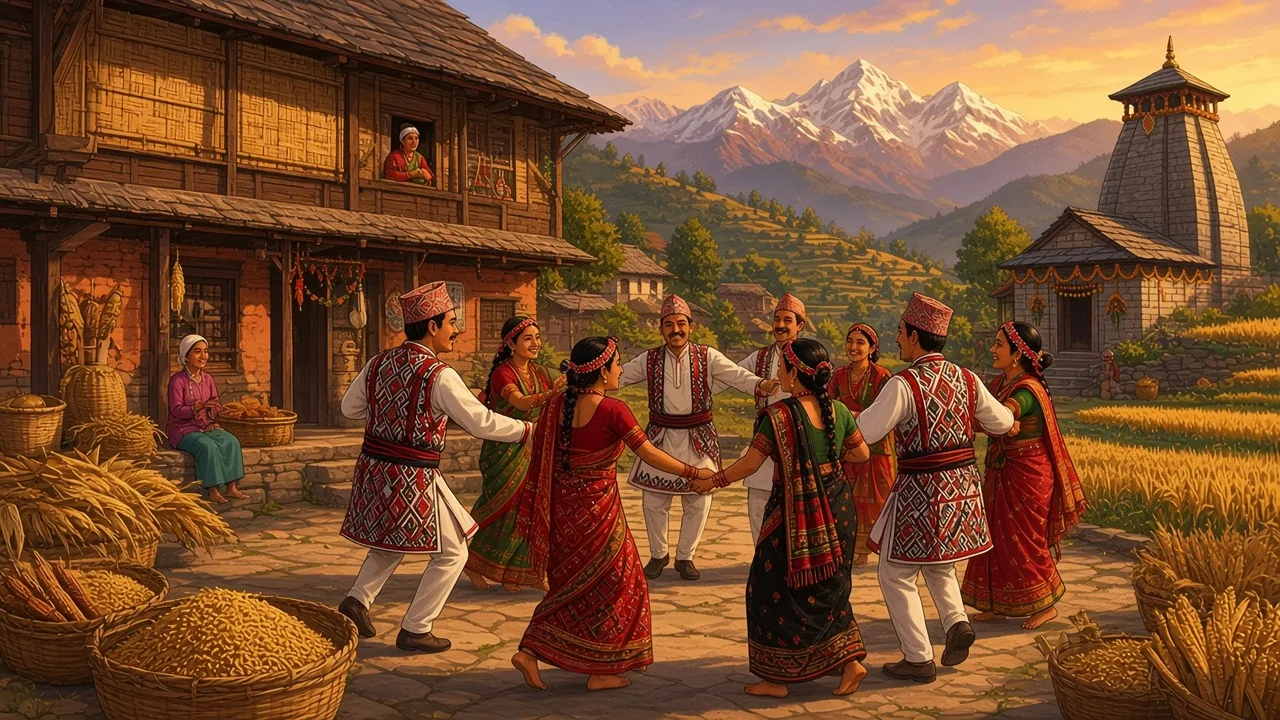
The line of dancers faces the low fields.नाच्नेहरूको लाम तल्ला खेततिर फर्किन्छ।
Dimension
Details
Ecological & Indigenous Significance
Calendar Tithi
Mangsir Shukla Purnima (मार्गशीर्ष शुक्ल पूर्णिमा)
Winter full moon marking downward transhumance and harvest thanksgiving.
Indigenous Nations
Kirāt peoples (Rāī, Limbu, Yakkha, Sunuwār)
Ancient autochthonous civilization honoring ecological equilibrium.
Supreme Divinity
Tagera Ningwaphuma & Yuma Sammang
Primordial cosmic creator and ancestral guardians of the mountain valleys.
Harvest Offering
Nwāgī ritual of first fruits
Shamanic consecration thanking nature before mortal consumption of new grain.
Sacred Dance
Sākelā Sili with Dhol and Jhyāmṭā
Mimetic choreography enacting transhumance migrations, animal life, and crop cycles.
The story
Celebrated on the full moon of Mangsir (Mārgaśīrṣa Śukla Purnima) across the eastern hills and mountain valleys of Nepal, Udhauli is the grand seasonal harvest festival of the indigenous Kirāt nations—encompassing the Rāt, Limbu, Yakkha, and Sunuwār peoples. Rooted in the ancient transhumance ecology of the Himalayas, the term Udhauli signifies the downward movement of life as the biting winter frost approaches; while pastoralists, livestock herds, and migratory birds descend from the freezing alpine pastures (lekh) toward the shelter of the warm river valleys (besī), human communities gather to offer thanks for the safety of the summer and the wealth of the autumn harvest.
मंसिर महिनाको शुक्ल पक्षको पूर्णिमा तिथिमा नेपालका पूर्वी पहाडी भेगमा बसोबास गर्ने किराँत समुदाय (राई, लिम्बु, याक्खा, र सुनुवार) ले उधौली पर्व अत्यन्त भव्यताका साथ मनाउँछन्। हिमाली पर्यावरणको चक्रसँग प्रत्यक्ष जोडिएको 'उधौली' को अर्थ तल झर्नु वा ओर्लनु हो। जाडो मौसम सुरु भएसँगै लेकका चिसो खर्कहरूबाट मानिस, चौपाया, र चराचुरुङ्गीहरू न्यानो खोज्दै बेँसीतिर झर्ने र वर्षभरिको बालीनाली भित्र्याइएको खुसीयालीमा प्रकृति तथा पितृप्रति आभार प्रकट गर्ने यो मौलिक सांस्कृतिक पर्व हो।
The theological heart of Udhauli centers upon profound thanksgiving to the supreme Kirāt creator divinity Tagera Ningwaphuma and the primordial ancestral grandmother Yuma Sammang. Led by the village shaman-priest (known as the Nakchhong or Fedangba), communities offer the first fruits of the new harvest in the solemn rite of Nwāgī, thanking mother earth before a single grain is eaten. Following the sacred libations, hundreds of men, women, and children dressed in vibrant, hand-loomed Dhaka waistcoats, bead necklaces, and silver coins assemble in expansive circles to perform the hypnotic Sākelā Sili dance. Propelled by the thunderous beat of two-sided dhol drums and brass jhyāmṭā cymbals, the dancers' graceful gestures mimic the flight of migrating wildfowl, the swaying of mountain trees, and the agricultural rhythms of planting and reaping, preserving the unwritten ecological memory of the Kirāt civilization across generations.
उधौलीका अवसरमा किराँतीहरूका आराध्य शक्ति तागेरा निङ्वाफुमा, सुम्निमा-पारुहाङ, तथा कुलपितृ (माङ) को विधिपूर्वक पूजा गरिन्छ। नाक्छोङ वा फेदाङ्बाले नयाँ अन्न चढाएर 'न्वागी' पूजा सम्पन्न गरेपछि मात्र नयाँ अन्न उपभोग गरिन्छ। त्यसपछि परम्परागत ढाकाका भेषभूषा र चाँदीका पैसाको मालामा सजिएका बालबालिकादेखि वृद्धवृद्धासम्म खुला चौरमा भेला भएर प्रसिद्ध 'साकेला सिली' नाच्न थाल्छन्। ढोल र झ्याम्टाको घन्किँदो तालमा विभिन्न सिली (पशुपन्छीको चाल, बाली रोप्ने र काट्ने अभिनय) नाचिन्छ, जसले मानव, प्रकृति, र वन्यजन्तुबीचको अभिन्न सम्बन्धलाई जीवन्त रूपमा दर्शाउँछ।
Transformation of guilt into universal redemptive offering through Shiva's grace.
All-Night Vigil
Dhunī fires & floating butter lamps on the Bagmati
Sleepless communion guiding departed kin through the twilight underworld.
The Seven Grains
Śatabīja (धान, जौ, तिल, गहुँ, चना, मकै, कागुनो)
Botanical offering whose physical germination symbolizes spiritual rebirth and freedom.
Sacred Geography
Mrigasthali & Sleshmanthak Forest, Pashupatinath
Ancient deer forest circumambulated to liberate ancestors across generational lines.
The story
Observed on the fourteenth day of the dark lunar fortnight of Mangsir (Mārgaśīrṣa Krishna Chaturdashi) across the sacred sanctuary of Pashupatinath, Bala Chaturdasi represents one of Nepal's most moving nocturnal vigils and ancestral liberation rites. The legendary origin of the day traces to the tragic myth of Bala Nanda, a trusted royal servant sent to cremate a deceased court minister at Aryaghat. As the funeral pyre flared, a pop of burning meat accidentally struck his food; tasting it unknowingly, a dormant demonic thirst awakened within him, transforming him into the flesh-eating demon Balāsura. He terrorized the valley from the caves of Sleshmanthak until his remorseful childhood companion, Brisha Singha, befriended him and, with divine guidance, slew the monster to protect the city. Stricken with inconsolable grief for taking his dear friend's life, Brisha Singha performed continuous penance at Mrigasthali, where Lord Shiva appeared and decreed that scattering seven holy grains through the forest on this tithi would absolve his sin and liberate all deceased souls.
मंसिर महिनाको कृष्ण पक्षको चतुर्दशी तिथिका दिन काठमाडौँको पावन पशुपतिनाथ मन्दिर परिसर तथा देशभरका शिवालयहरूमा दिवङ्गत पितृहरूको मोक्षका लागि मनाइने अत्यन्त भावुक पर्व बाला चतुर्दशी हो। यस दिनको ऐतिहासिक पृष्ठभूमि बालानन्द र वृषसिंहको अनौठो मित्रताको कथासँग जोडिन्छ। आर्यघाटमा मन्त्रीको दाहसंस्कार गरिरहेका दरबारका कर्मचारी बालानन्दको खानामा चिताबाट उछिट्टिएको मासुको सानो टुक्रा परेपछि, त्यो चाख्दा उनमा नरभक्षी राक्षसको विकार उत्पन्न भयो र उनी 'बालासुर' राक्षस बनेर श्लेषमान्तक वनमा बस्न थाले। आफ्ना परममित्र राक्षस बनेको देखेर दुःखी भएका वृषसिंहले चतुरतापूर्वक बालासुरको वध गरे, तर मित्रहत्याको भयानक पापबोधले उनलाई पिरोल्यो। उनको कठोर तपस्याबाट प्रसन्न भई भगवान् शिवले यस चतुर्दशीका दिन श्लेषमान्तक वनमा शतबीज छर्नाले बालासुरको उद्धार हुने र सम्पूर्ण पितृहरूले वैकुण्ठ पाउने वरदान दिनुभयो।
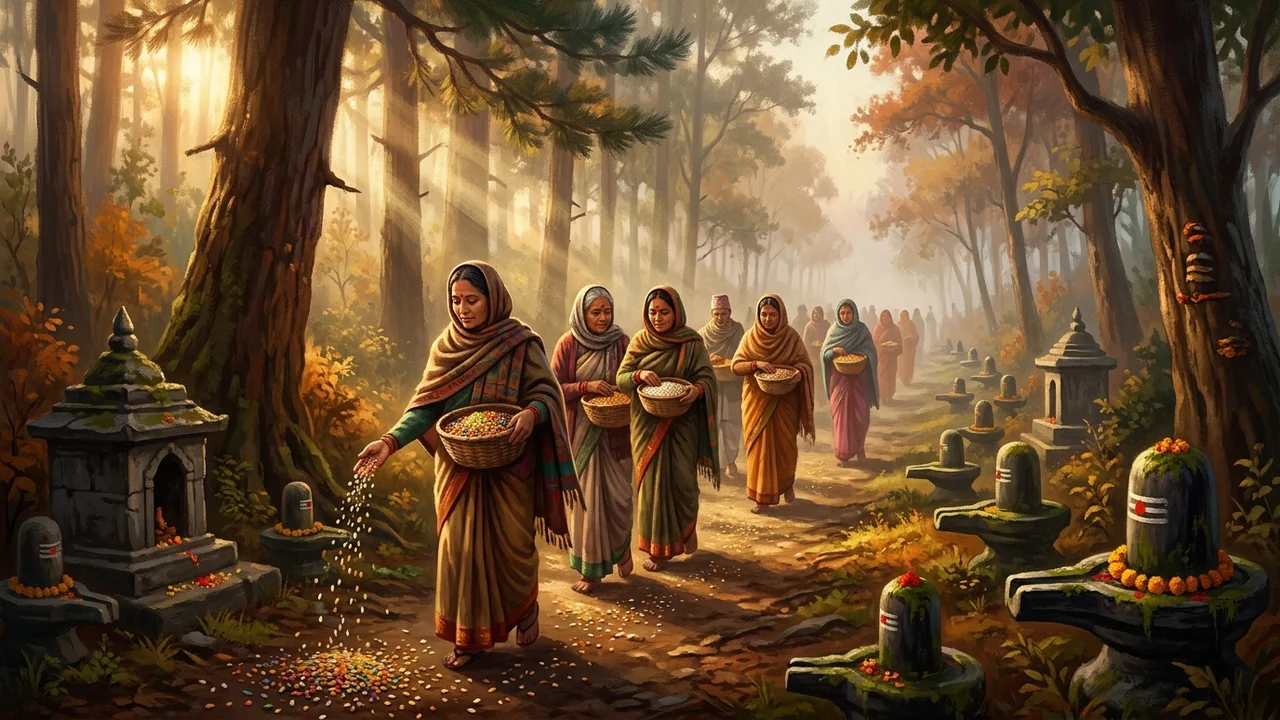
On the eve of the festival, thousands of mourners assemble along the stone banks of the Bagmati river at Pashupatinath, maintaining a sleepless nocturnal vigil (Jāgarana) beside glowing sacred bonfires (dhunī), softly chanting Śaiva hymns and keeping tiny oil lamps afloat on the river. At dawn, after performing purificatory immersions, worshippers traverse a winding, three-kilometer sacred pathway through the forested ridges of Kailash and Sleshmanthak, scattering Śatabīja—a holy mixture of seven sacred grains, including paddy, barley, sesame, wheat, gram, maize, and lotus seeds, mixed with coins. Classical scripture promises that for every individual seed sown into the consecrated soil of Mrigasthali, the soul of a departed ancestor is instantly liberated from purgatorial torment (Naraka) and blessed with a hundred thousand years of peace in the celestial realm of Shiva.
त्रयोदशीको साँझदेखि नै पशुपतिनाथमा मृतक आफन्तका नाममा रातभर अनिँदो बसेर बत्ती बाल्ने (महादीप प्रज्वलन) गरिन्छ। रातभर भजनकीर्तन गरी बिहानै बागमती नदीमा स्नान गरेपछि, भक्तजनहरूले श्लेषमान्तक वन, कैलाश डाँडा, र किराँतेश्वर महादेव वरिपरि हिँड्दै 'शतबीज' (धान, जौ, तिल, गहुँ, चना, मकै, र कागुनो गरी सात प्रकारका अन्नका दाना) छर्ने गर्दछन्। धार्मिक विश्वासअनुसार श्लेषमान्तक वनमा छरिएको शतबीजको एक-एक गेडा बराबर पितृहरूले स्वर्गमा एक-एक वर्ष सुखभोग गर्न पाउँछन् र नर्कको घोर यातनाबाट मुक्ति पाई शिवलोक प्राप्त गर्दछन्।